Crypto Meets Gold: DWF Labs Breaks The Mold

bitcoinistPublished on 2025-12-24Last updated on 2025-12-24

Abstract

DWF Labs, a crypto market maker and venture firm, has completed its first physical gold trade as a test transaction. The deal involved a single 25-kilogram gold bar and was settled using traditional bullion custody and settlement systems rather than on-chain methods. The company did not disclose details such as the counterparty, price, or custodian. Announced via social media on December 22, 2025, the move is part of DWF Labs' broader strategy to enter the real-world asset (RWA) market. The firm plans to expand into trading silver, platinum, and cotton if the initial test proves successful.

DWF Labs, a crypto market maker and venture arm, has reported that it completed its first physical gold trade, calling the deal a test tranche.

According to company posts and social media updates, the move involved a single 25-kilogram gold bar and was settled using conventional bullion custody and settlement systems.

The announcement was shared by Andrei Grachev on X on Dec 22, 2025. Based on reports, the firm did not disclose the counterparty, price or which vault handled the bar.

Test Tranche And Setup

The trade was described as a small-scale test rather than a full launch. One 25-kilogram bar was the entire lot. Reports have disclosed no public detail on counterparty, pricing, exact custodian or insurance arrangements.

That limited disclosure means outside observers only have the basic facts: a settled physical bar, a claim from DWF Labs, and social posts dated Dec. 22–23, 2025 that flagged the move.

Settlement Through Conventional Channels

DWF Labs said the transaction used traditional bullion-market plumbing for custody and settlement instead of an on-chain transfer. That suggests the firm relied on existing industry rails — vaults, auditors and established settlement processes — to complete the deal.

Bitcoin currently priced at $87,337. Chart: TradingView

Based on reports, the choice highlights a cautious approach: test the mechanics of buying and holding metal while keeping the legal and operational pieces in familiar territory.

Company Background And Product Plans

DWF Labs is known for market making, liquidity services and venture investments across crypto. According to the company’s statements, the gold trade is part of a broader push into real-world assets.

The firm has said it plans to expand beyond gold into silver, platinum and cotton. Numbers are sparse in the initial disclosure; the single 25-kilogram bar appears to be a proof point intended to validate logistics rather than signal a fixed trading program.

What Comes Next For DWF Labs

Based on reports, the company intends to scale its physical-commodity efforts if the test proves workable. Observers will watch for filings, formal partner announcements, or more detailed updates that name vaults, brokers or logistics partners.

Any future moves that include multiple bars, varied metals, or a disclosed price would give a clearer picture of how DWF aims to mix crypto capital markets with physical commodity markets.

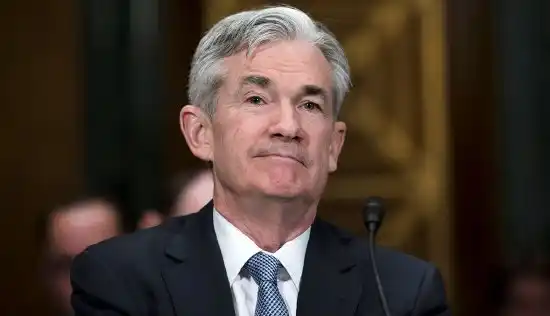
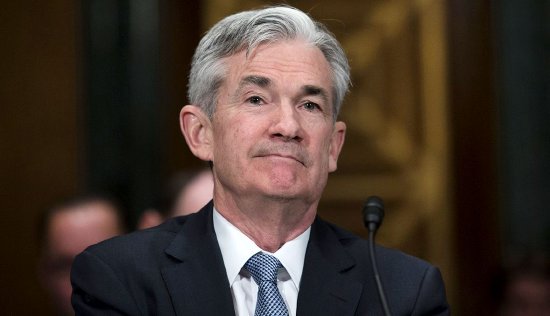
Featured image from Uli Deck / Getty Images, chart from Tradingview

Related Questions

QWhat was the nature of the trade completed by DWF Labs, and what was it described as?

ADWF Labs completed its first physical gold trade, which was described as a test tranche involving a single 25-kilogram gold bar.

QHow did DWF Labs settle the physical gold transaction, and what does this choice indicate?

AThe transaction was settled using conventional bullion custody and settlement systems, indicating a cautious approach that relies on existing, traditional industry infrastructure rather than on-chain transfers.

QWhat broader market is DWF Labs aiming to be a part of with this move, according to their vision?

AAccording to their vision, DWF Labs aims to play a substantial part in the Real-World Asset (RWA) market.

QBeyond gold, what other physical commodities does DWF Labs plan to trade in the future?

ADWF Labs plans to scale up its operations to trade physical silver, platinum, and cotton.

QWhat specific details about the trade were not disclosed in the initial announcement?

AThe firm did not disclose the counterparty, the price of the bar, the exact custodian (vault), or the insurance arrangements.

Related Reads

RWA Utility Tokens, Stop Kidding Yourselves

The article, written by lawyer Shao Jiadian, critically examines the common claim by RWA (Real World Asset) token projects that their tokens are "utility tokens" rather than securities. The author argues that regulatory bodies globally do not classify assets based on their self-proclaimed labels but on their actual economic function and structure. The core argument is that most so-called "utility RWA tokens" involve users investing money into a common asset pool managed by the project, with the expectation of profits derived from the project's efforts (e.g., dividends, revenue sharing from assets like real estate or equipment). This structure meets the criteria of an "investment contract" and is therefore treated as a security in major jurisdictions like the U.S., EU, Switzerland, and Hong Kong. Two key legal cases are cited as evidence: 1. **DeFiMoney Market (DMM):** Its fixed-yield token and "governance" token were both deemed securities by the SEC because investors' profits came from a managed asset pool. 2. **Unicoin (2025):** An asset-backed token promising returns from real estate and equity was charged by the SEC as an unregistered securities offering and fraud. The author highlights an inherent conflict: utility tokens emphasize *use* and *consumption*, while RWA tokens are fundamentally linked to *assets* and *returns*. Any token offering profit-sharing, dividends, or redeemable cash flows will be viewed as a security by regulators. The conclusion is stark: projects are not avoiding securities laws out of ignorance but to circumvent the stricter requirements of a regulated securities offering. The only viable paths to avoid securities classification are: 1. Purely functional tokens with no profit expectation. 2. Private offerings strictly for accredited investors. 3. Operating under specific regimes like Dubai's VARA that regulate security-like tokens as virtual assets. Ultimately, any RWA token offered to the public that is tradable and promises returns will almost certainly be treated as a security. The choice for projects is not between utility and security labels, but between "long-term compliance" and "short-term gambling."

marsbit20m ago

RWA Utility Tokens, Stop Kidding Yourselves

marsbit20m ago

Trading

Spot
Futures

Hot Articles

Discussions

Welcome to the HTX Community. Here, you can stay informed about the latest platform developments and gain access to professional market insights. Users' opinions on the price of A (A) are presented below.

活动图片